
Empowering Pakistan’s Agriculture with Solar Energy
Transition your farm to reliable, modern solar tube wells and grid-tied solar systems. Combat surging diesel and grid electricity tariffs with high-efficiency PV technology engineered for Pakistan’s climate, ensuring maximum crop yield and 24/7 sustainable farming.
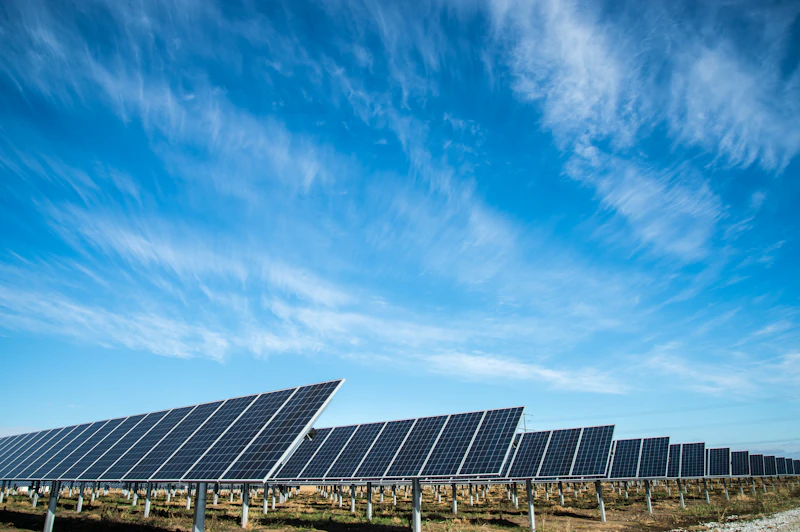
Introduction to Solar in Agriculture
In Pakistan’s vibrant agricultural landscape, the integration of solar energy is catalyzing an unprecedented green revolution. Historically, local farming communities have struggled with soaring diesel fuel costs and erratic grid electricity, which severely crippled crucial tube-well irrigation networks. By transitioning to advanced solar-powered water pumping systems, these dedicated growers are unlocking sustainable, reliable, and highly cost-effective access to groundwater. This clean energy shift not only slashes operational overheads but also fosters continuous crop nourishment, enabling farmers to cultivate multiple yield cycles per year with predictable, independent water delivery.
Infinity Green Agriculture stands at the forefront of this transition, providing custom solar irrigation technology specifically optimized for Pakistan’s diverse regional climates. Modern solar solutions bypass the economic vulnerability of imported fuels, helping remote farmlands transition from survival mode to high-yield profitability. The environmental dividends are equally momentous; shifting away from carbon-heavy pumps drastically minimizes greenhouse gas emissions, preserving the natural Pakistani countryside.
Furthermore, modern solar-powered pumps empower precision drip irrigation, maximizing water conservation in dry zones like Punjab and Sindh. By coupling infinite solar rays with advanced, climate-resilient water management, local agriculture is rapidly evolving. No longer bound by the unpredictable nature of traditional utility infrastructure, Pakistan’s farmers are confidently stepping into a secure, self-sustaining future, proving that sustainable modernization and prosperous farming can grow hand-in-hand.
Benefits for Pakistani Farmers
Cost Savings
Embracing solar energy solutions offers Pakistani farmers an immediate and substantial reduction in operational expenditure. Historically, agriculture in Pakistan has been heavily reliant on diesel-powered tube wells and erratic grid electricity, both of which incur volatile, ever-increasing costs. By transitioning to custom-designed solar irrigation systems, landowners can completely eliminate monthly fuel bills and utility charges. The initial capital investment pays for itself rapidly, translating into long-term financial stability. These vital savings can be strategically reinvested directly into high-quality seeds, advanced fertilizers, and modern mechanized harvesting equipment, drastically improving crop yields and overall farm profitability. In a competitive market where margins are razor-thin, reducing overhead costs through sustainable infinity green technology ensures that local farming families secure their livelihoods and build resilient business models for generations to come, fostering long-term prosperity across rural regions.
Energy Independence
Pakistan’s agricultural sector frequently suffers from severe load-shedding and unpredictable power outages, which disrupt critical watering schedules and compromise crop health. Solar-powered systems grant farmers complete control over their energy infrastructure, liberating them from the limitations of an unreliable national grid. With a dedicated solar array, irrigation occurs exactly when needed, keeping vital crops hydrated during peak summer heat without interruption. This consistent availability of power stabilizes harvesting cycles and maximizes yield potential. Furthermore, decentralized energy protects remote rural farmlands from grid failures, creating self-sufficient agricultural zones across Punjab, Sindh, and beyond. By owning their power source, farming communities mitigate external political and economic volatility, ensuring consistent food production and establishing a reliable, self-sustaining foundation for nationwide food security and continuous, modernized rural development for years to come.
Environmental Impact
Types of Solar Agriculture Solutions
Pakistan’s agricultural sector stands at a vital crossroads. Traditional reliance on an unstable national electric grid and soaring diesel prices has historically crippled local growers, putting pressure on crop cycles and reducing productivity. Our customized Infinity Green solar agriculture configurations eliminate these hurdles, ensuring that off-grid farming communities can finally access reliable, round-the-clock power. By transitioning to on-site clean energy, farmers can control their irrigation timelines, mitigate carbon footprints, and unlock unprecedented operational continuity.
High-Efficiency Pumping Systems: For shallow wells and canal-fed farms, our high-efficiency surface solar pumps offer an affordable, high-discharge solution. Engineered with high-grade PV panels and robust tracking options, these systems maximize seasonal water delivery and adapt seamlessly to localized microclimates.
Solar-Powered Cold Storage Units: Post-harvest spoilage is a primary driver of financial insecurity for rural Pakistani farmers. Without fast refrigeration, fresh produce degrades rapidly, forcing immediate sales at unfavorable rates. Our decentralized, solar-powered cold storage rooms feature premium thermal insulation and integrated battery backup systems. They preserve delicate crops, fruits, and dairy at precise temperatures right at the field level, allowing farmers to safely store their inventory and strategically enter the market when prices are highest.

Government Incentives & Installation
AEDB Agricultural Solar Subsidies
Transitioning agricultural operations to solar power in Pakistan is highly incentivized by state policies. Under the Alternative Energy Development Board (AEDB) framework, the government actively promotes solar tube wells and drip irrigation to combat rising diesel and grid electricity costs. Farmers can capitalize on significant financial relief, including up to 50% capital subsidies for qualified sustainable setups.
Tax Exemptions & Fiscal Benefits
Our 5-Step Solar Journey
- 1. Site Assessment & Load Analysis: Detailed review of farm soil, hydrology, water depth, and horsepower needs.
- 2. Financial & AEDB Paperwork: Seamless processing of government subsidy applications and tax exemptions.
- 3. Custom Engineering & Layout: Designing heavy-duty, weather-resistant mounting systems built for Pakistani terrains.
- 4. Precision Professional Deployment: Installation of premium panels, automated agricultural-grade inverters, and irrigation sync.
- 5. DISCO Net-Metering Activation: Connecting the grid to enable bidirectional power metering and smart monitoring.
The Future of Solar Farming
Through precision smart irrigation systems, water is delivered exactly when and where it is needed. Ground sensors continuously monitor soil moisture levels, ambient temperatures, and weather patterns in real-time. This critical data allows solar-powered pumps to optimize irrigation schedules automatically, dramatically reducing water waste while maximizing crop yields across Punjab, Sindh, and beyond.
This is not just sustainable farming; it is intelligent agriculture. Our custom-engineered solar arrays and integrated IoT nodes bridge the gap between ecological responsibility and farm productivity, ensuring local communities thrive with reliable, renewable energy. Step into the future of agriculture, where intelligence meets ecology, and witness your fields flourish like never before.
KNOWLEDGE BASE & FAQ